

Finding Your Perfect Heat: The Ultimate Guide to Radiator Temperatures

When the chill sets in, there's nothing quite like a warm home. But are you getting the most efficient and comfortable heat from your boiler and radiators? The temperature you set can make a big difference to your energy bills, comfort, and even the lifespan of your system. Let's dive into the pros and cons of different boiler setup temperatures and find the sweet spot for your home!
The Goldilocks Zone: What's the Best Radiator Temperature?
There's no single "perfect" temperature for every home, but a good starting point for most modern condensing boilers is to aim for a radiator flow temperature between 60°C and 70°C. This allows your boiler to operate in its most efficient condensing mode, recovering heat from exhaust gases and saving you money.
Think of it like this: your boiler heats water, which then circulates through your radiators. The radiator's job is to transfer that heat into your room. If the water is too hot, it might heat the room too quickly and then cool down, leading to cycles of on and off, which isn't always efficient. If it's too cool, your home might never quite reach the desired warmth.
Understanding Your Boiler's Flow and Return Temperatures
Your boiler actually has two key temperatures: the flow temperature (how hot the water leaves the boiler) and the return temperature (how hot the water is when it comes back to the boiler after circulating through your radiators). For maximum efficiency, you want a significant difference between these two – ideally around 20°C. This allows the boiler to condense effectively.
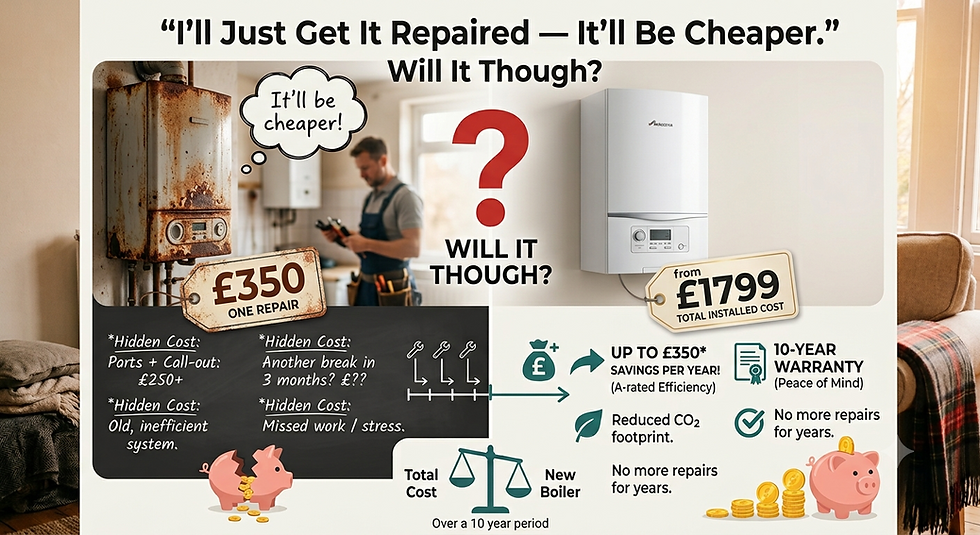
Here's an example of a modern condensing boiler, the heart of your heating system:

The High Boiler Temperature Setup: Pros and Cons
Setting your boiler to a higher flow temperature (e.g., 75°C - 80°C) means your radiators will get hotter faster.
Pros:
Quick Heating: Your rooms will heat up more rapidly, which can be great if you've just arrived home to a cold house or if you have older, less efficient radiators.
Suitable for Older Systems: Some older, non-condensing boilers are designed to run at higher temperatures for optimal performance.
Better for Poorly Insulated Homes: If your home loses heat quickly, higher radiator temperatures can sometimes help maintain comfort.
Cons:
Reduced Efficiency: For modern condensing boilers, higher temperatures mean less condensation, which reduces efficiency and increases fuel consumption.
Higher Running Costs: You'll likely see a higher energy bill as your boiler works harder.
Less Comfortable Heat: The heat can feel less even, with bursts of intense warmth followed by cooler periods.
Risk of Scalding: Radiators can become very hot to the touch, which can be a safety concern, especially with children or pets.

The Low Boiler Temperature Setup: Pros and Cons
Setting your boiler to a lower flow temperature (e.g., 50°C - 60°C) means your radiators will run cooler and heat your home more gradually.
Pros:
Maximum Efficiency: For condensing boilers, this is where they truly shine, maximizing the amount of heat recovered and significantly lowering your energy bills.
Lower Running Costs: You'll save money on gas or electricity as your boiler operates more efficiently.
More Consistent Comfort: Your home will heat up more gently and maintain a steadier, more comfortable temperature throughout the day.
Reduced Wear and Tear: The boiler and system components experience less stress, potentially extending their lifespan.
Safer Radiators: Radiators are cooler to the touch, reducing the risk of burns.
Better for Underfloor Heating: Low flow temperatures are ideal for underfloor heating systems.
Cons:
Slower Heating: Your home will take longer to reach the desired temperature initially.
May Not Be Sufficient for All Homes: In very cold weather, or in homes with poor insulation or very large rooms, a lower temperature might not provide enough heat.
Requires Good Insulation: To truly benefit from lower temperatures, your home should be well-insulated to retain the heat effectively.

Finding Your Sweet Spot: Efficiency Meets Comfort
Ultimately, the "sweet spot" for your boiler and radiator temperature is a balance between energy efficiency and the comfort you desire in your home. For most modern condensing boilers, aiming for a flow temperature between 60°C and 70°C allows your system to condense optimally, leading to significant savings on your energy bills.
Don't be afraid to experiment a little! Start by lowering your flow temperature gradually and observe how your home feels. You might be surprised at how comfortable your home remains, even with slightly cooler radiators, thanks to the consistent heat provided by an efficient system. Remember, a well-insulated home will always get the most out of a lower temperature setting.
If you're unsure about adjusting your boiler settings or want to explore other ways to optimize your heating, such as smart thermostats or radiator balancing, don't hesitate to contact a qualified heating engineer. They can help you fine-tune your system for maximum efficiency and comfort, ensuring your home stays warm and your bills stay manageable, no matter the weather outside. Finding that perfect balance is key to a truly epic home heating experience!


Comments